Music is not just an art form; it’s a powerful tool that influences the human experience in ways that extend far beyond entertainment. From healing to creating social movements, music has a profound impact on our physical and emotional well-being.
In this article, we explore 10 incredible ways music continues to shape and affect our world.
Music’s Role in Sleep Apnea Treatment

Music isn’t just for the soul; it can also serve as a therapeutic tool. The didgeridoo, an ancient Australian instrument traditionally used by Aboriginal tribes, has been shown to help people with sleep apnea. Studies have found that circular breathing techniques learned through playing the didgeridoo can significantly reduce the severity of sleep apnea.
By practicing for just 25 minutes a day, six days a week, individuals can improve airflow, reduce snoring, and decrease breathing interruptions during sleep. This unique form of treatment has gained international recognition as an alternative to traditional therapies.
Harnessing Music for Memory Retention
Music has a powerful effect on our brain’s ability to retain information. Research shows that music can stimulate neural pathways specifically designed for memory processing. This phenomenon is especially useful for learning complex information. For example, students struggling with memorizing the periodic table of elements can benefit from music-based methods.
A catchy song dedicated to teaching the periodic table allows the brain to retain information more efficiently, transforming a daunting task into a fun and memorable experience. Music taps into our cognitive abilities in ways traditional study methods cannot match.
Karaoke and the Dark Side

While karaoke is a beloved activity in many cultures, one particular song has gained notoriety for its connection to violent incidents. Frank Sinatra’s “My Way” has been banned in karaoke bars across the Philippines due to multiple reports of violent altercations and even murders occurring after someone performed the song.
The deep emotional connection Filipinos have with this song can lead to intense reactions, with some singers and audience members harshly criticizing performances. The song’s popularity and emotional weight make it a trigger for conflict, highlighting how music can also stir up negative emotions and drive people to extreme behavior.
Music Tailored for Cats
It turns out that our pets have musical preferences, too. Research has shown that cats respond more favorably to music created specifically for them. While classical music has long been used in animal shelters to calm pets, recent studies suggest that cats prefer compositions that mimic the frequency range and tempo of their own vocalizations.
This insight into animal behavior has led to the creation of music specifically designed for cats’ auditory world. For pet owners, this means that their furry companions may finally enjoy a soundtrack tailored just for them.
The Psychological Effects of Earworms
Ever find yourself stuck with a song you can’t seem to shake off? These persistent tunes, known as earworms, can take over our minds, often at the most inconvenient times. The reason behind this phenomenon lies in our brain’s need to complete patterns. When part of a song sticks with us, our brain subconsciously tries to complete the missing part of the tune.
Interestingly, the more we try to forget the song, the more it haunts us. The best way to escape an earworm is to actively recall the full song, allowing the brain to finish the pattern and move on.
Ocarina of Time and the Cultural Resurrection of the Ocarina
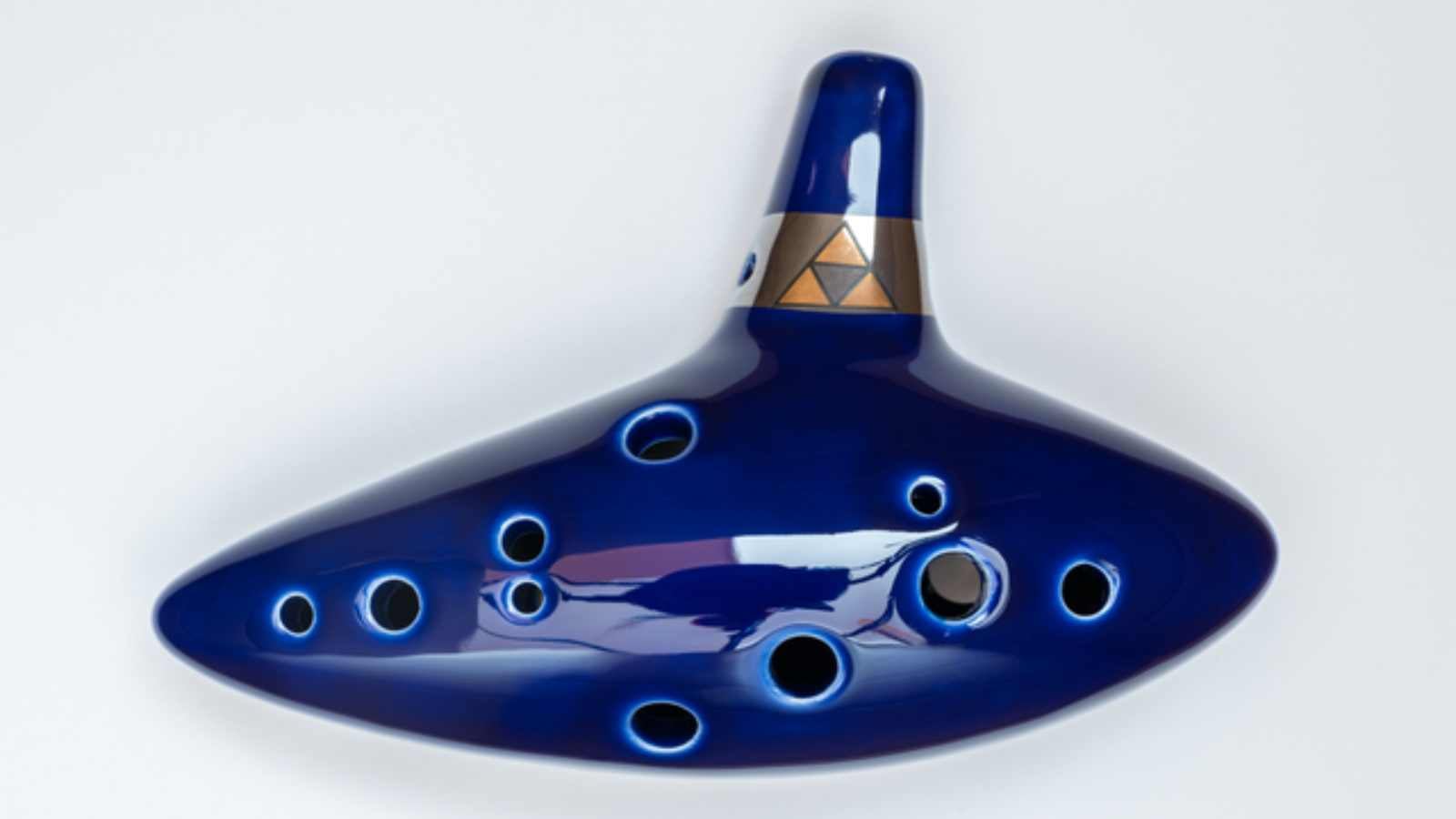
The ocarina, once a little-known instrument, found its revival thanks to the popular video game Ocarina of Time. Before the game, the ocarina was a simple, inexpensive instrument, mostly used in military contexts. However, after the game’s success, the ocarina became a popular instrument worldwide, inspiring a resurgence in its production and sales.
This example shows how video games can have a profound impact on music culture, reviving old traditions and introducing new generations to unique instruments.
The Singing Revolution
Music can be a tool of resistance, as demonstrated by the Singing Revolution in Estonia. During the Soviet era, Estonians used music as a form of peaceful protest, singing national songs and hymns to assert their identity and demand independence. The movement was powerful enough to break free from Soviet control, and by 1991, Estonia had regained its independence.
This remarkable story shows how music can unite people under a common cause, becoming a symbol of hope and resistance.
Birdsong
For many people, bird songs are a source of tranquility, but there’s more to these sounds than just pleasant noise. Studies have shown that listening to bird songs can reduce stress and anxiety, promoting a sense of calm and security. The pitch and frequency of bird song have been found to have a soothing effect on the human psyche, making it an effective natural remedy for stress.
Birdsong, as part of the natural environment, signals safety and peace, helping to regulate emotions and improve overall well-being.
The Power To Break Glass
We’ve all heard the story of opera singers supposedly breaking glass with their voices. It turns out there’s some truth to this myth. When a singer hits the right frequency, the vibration can shatter glass. While it’s a rare and difficult phenomenon, scientists have proven it is possible.
This astonishing example shows how music and sound waves can have physical effects on the world around us, turning a musical performance into a surprising display of power.
Music as a Tool for Healing

Music isn’t just a source of entertainment; it has profound effects on our physical and mental health. Listening to music or singing along can trigger the release of dopamine, the brain’s “feel-good” chemical. It has been shown to help alleviate symptoms of anxiety, depression, and even chronic pain.
In therapeutic settings, music is often used to help patients recover from strokes or other neurological conditions. It can stimulate brain activity and promote cognitive and emotional healing. In short, music is a powerful tool in promoting both mental and physical health.
Conclusion
From improving our health to driving social change, music’s impact on the world is immeasurable. Whether it’s healing the body, sparking social movements, or even calming pets, music touches every aspect of our lives. Its influence transcends boundaries and cultures, proving that music is much more than just an art form; it’s a vital force that shapes our world in ways we are only beginning to understand. Music’s ability to heal, unite, and inspire is a testament to its unique power to affect the human experience.