There was a time when a simple whisper about a movie sequel would be whispered in the corners of a studio lot, eventually making its way to a trade publication with a measured, careful tone.
That era is dead, buried under an avalanche of social media posts, fan-cast edits, and the insatiable internet hunger for content that feels real, even when it is constructed from thin air.
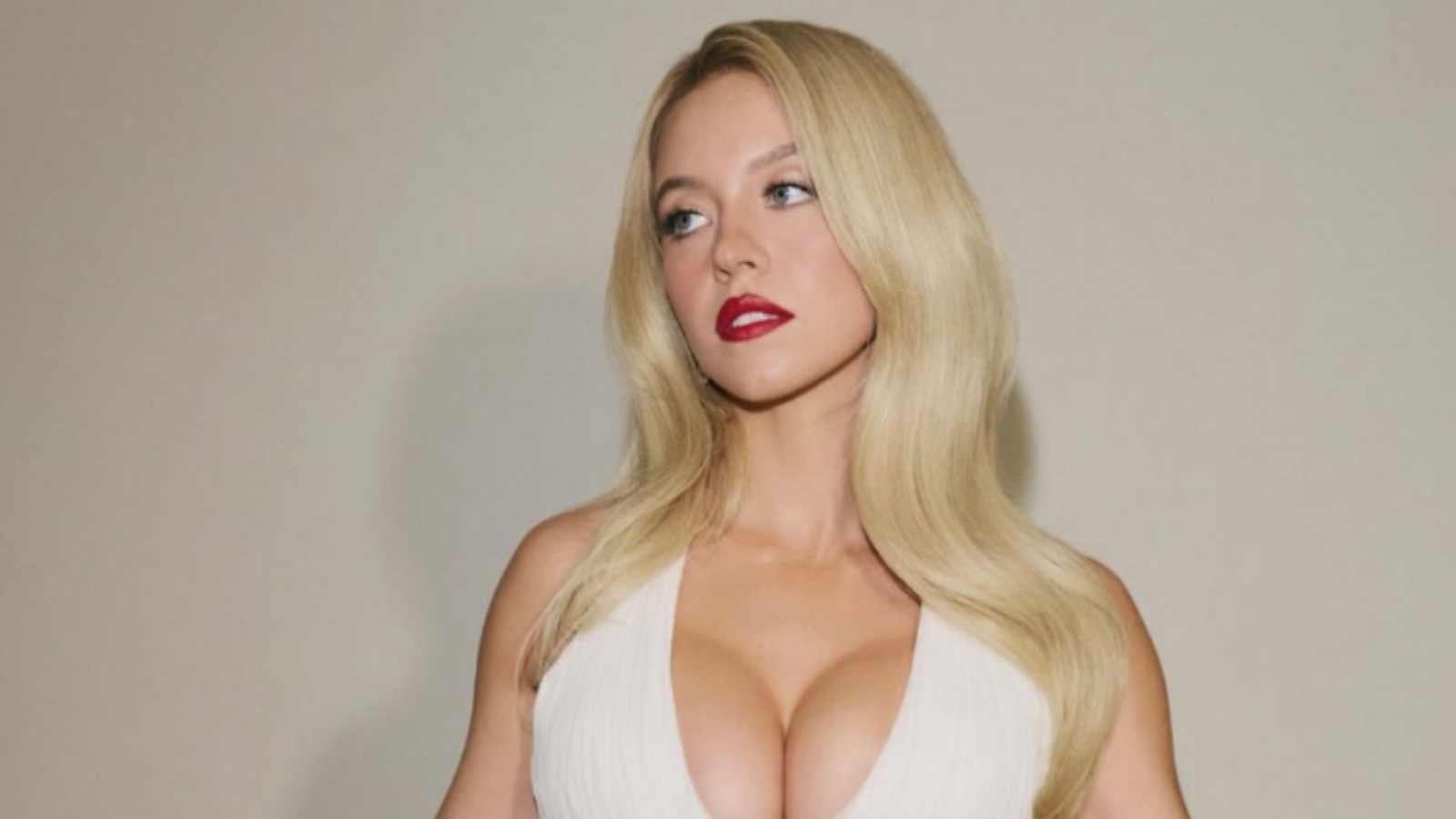
We are currently living through a collective fever dream regarding the potential return to the halls of Runway magazine, and somewhere in the mix, a story emerged that Sydney Sweeney, the undeniable “it” girl of our current moment… was lined up for a cameo in a The Devil Wears Prada sequel, only to be unceremoniously cut.
The narrative was perfect: the rise of a new star, the collision of generations, and the supposed backstage drama that audiences live to dissect. It hit all the right notes for a digital-age soap opera. But here is the reality check that nobody seems to be offering: that story is a mirage.
In the current industry environment, where the sequel is only in the earliest, most delicate stages of development, the idea that a cameo was planned, cast, and then sliced away is not just premature, it is entirely disconnected from how these major studio projects actually function.
We are so starved for the return of Miranda Priestly that we are effectively inventing the screenplay ourselves, turning TikTok theories into reported news, and in the process, stripping away the actual mystery and excitement that should accompany a project of this magnitude.
It is time to look at the machinery behind the movies rather than the mirage, because the truth about this “casting drama” is a far more compelling commentary on our current media culture than the rumor itself.
The Brutal Math of the Cutting Room Floor
The narrative that this removal was a personal slight or a Hollywood snub collapses the moment you look at the mechanics of feature film editing. We often forget that movies are not just collections of scenes; they are engines of rhythm, pace, and thematic consistency.
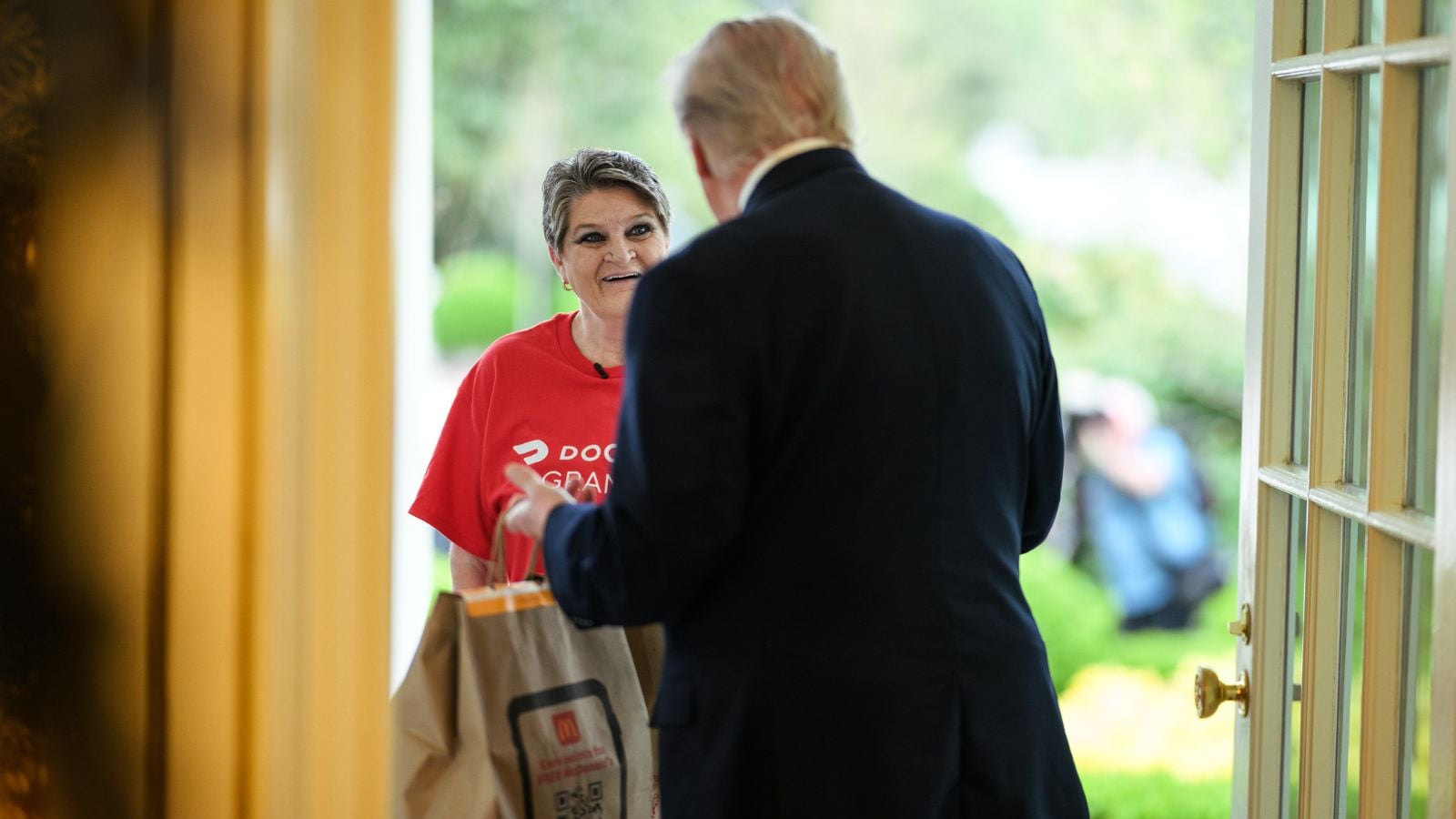
An EW report confirms that the Sydney Sweeney cameo, a three-minute sequence featuring the actor playing herself, was initially conceived to establish the gravity of Emily Blunt’s character, Emily Charlton, and her massive promotion to the top of Dior’s U.S. division.
It was explained that #SydneySweeney‘s role was cut from #TheDevilWearsPrada2 due to a “creative decision” to remove her cameo altogether. 👠
She was meant to appear at the beginning of the movie. However, the cameo “did not work structurally” with the rest of the scene.… pic.twitter.com/zvISZLl7zx
— ScreenRant (@screenrant) April 21, 2026
On paper, it likely looked like a brilliant touch: a modern star validating a modern power move. However, the editing suite is where the real movie is written, and it is entirely possible for a scene that works on a script level to become a jarring weight during the actual assembly.
When filmmakers realize a scene is stalling the audience’s emotional connection to the protagonist or is simply pulling focus from the main story, they have to make the uncomfortable decision to remove it. This is the “kill your darlings” principle in action.
It is not about the star’s lack of value; it is about the structural integrity of the entire two-hour experience. A three-minute distraction, no matter how shiny or buzzworthy, can act like a speed bump in a film that needs to maintain its velocity to keep the audience invested.
When the editorial team looked at the film’s flow, they clearly decided that the scene with Sweeney was the one that tipped the balance toward excess rather than essential storytelling.
Curating the Cameo Ecosystem for May 1st
While the internet was busy mourning the loss of the Sweeney cameo, it completely overlooked the fact that the film remains absolutely stacked with high-profile appearances that did make the final cut.
We are still looking at a production that features Lady Gaga, Donatella Versace, and Naomi Campbell, a lineup that more than solidifies the movie’s status as a must-see fashion event upon its May 1st release.
This context makes the exclusion of the Sweeney scene feel less like a “lost opportunity” and more like a deliberate act of curation. In a film already crowded with legitimate cultural icons, there is a very real danger of turning it into a parade of distracting cameos rather than a cohesive narrative.
If the team behind the sequel is confident enough to trim a three-minute segment with the current “it” girl of Hollywood, it suggests that they have a very clear vision for the tone they are trying to strike.
They are protecting the movie’s identity, ensuring these cameos feel integrated into the story’s DNA rather than pasted on for social media engagement.
We should actually be encouraged by this news. It demonstrates a level of creative discipline that is becoming increasingly rare in an era where blockbusters are often designed as vehicles for viral moments rather than complete cinematic experiences.
The film is prioritizing the story over the spectacle, and frankly, that is exactly what a project with the legacy of The Devil Wears Prada deserves.