The final words of famous figures often offer insight into their beliefs, personalities, and the lasting marks they’ve left on the world. These iconic last sayings have been immortalized in history, sparking reflection and contemplation.
Below are 10 powerful final words that continue to resonate long after the person has passed.
Bob Marley
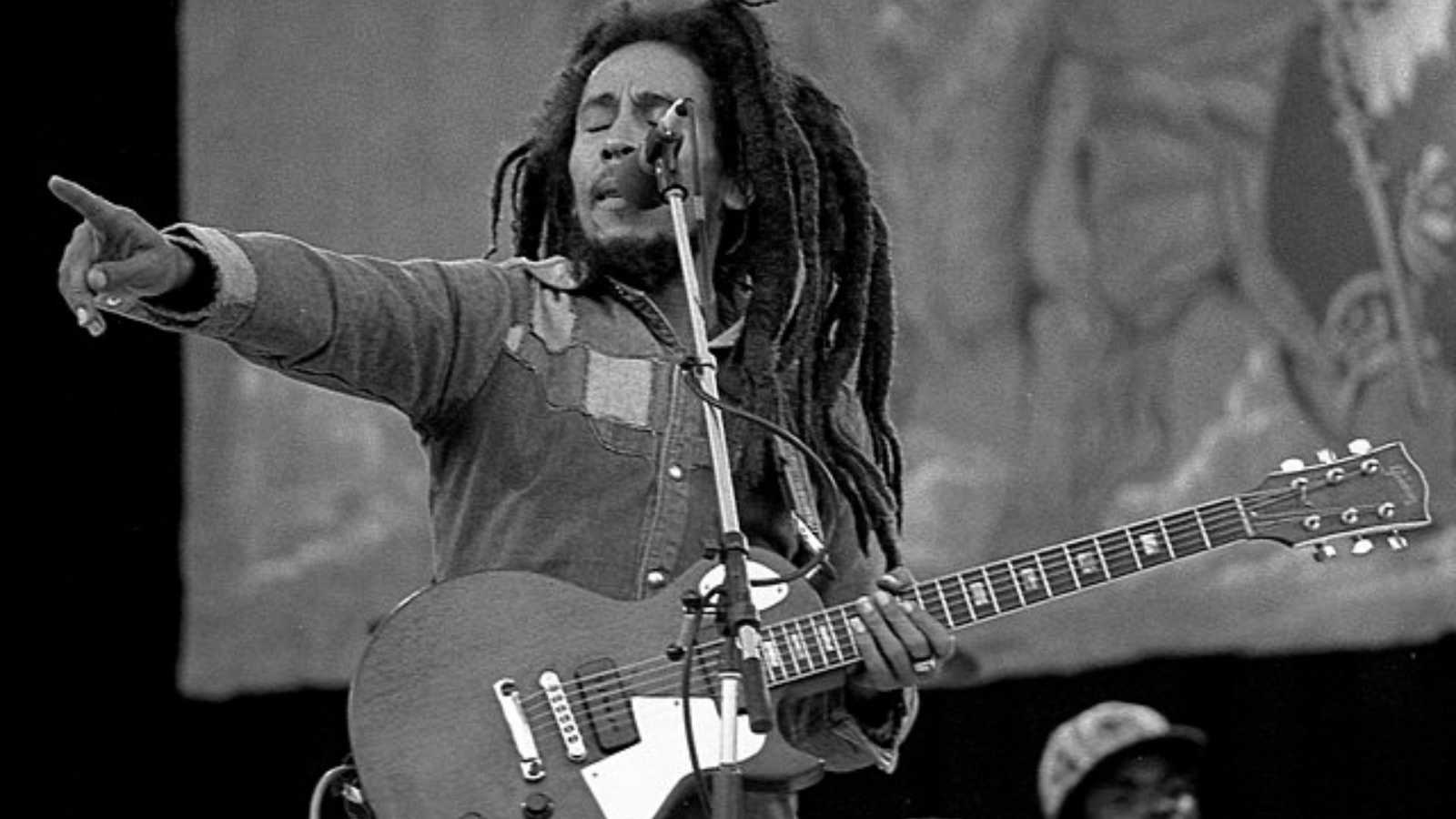
“Money can’t buy life.”
Bob Marley’s last words to his son Ziggy were both personal and universal, offering a final message on the true value of life. As Marley succumbed to cancer in 1981, his words resonated with the understanding that wealth can never replace the precious gift of life. His final phrase serves as a reminder to cherish the moments we have, no matter how much money or fame we accumulate.
Ludwig van Beethoven
“Friends, applaud. The comedy is finished.”
Beethoven’s final words were a reflection of his complex nature. “Friends, applaud. The comedy is finished,” was said to his close companions just before he passed away in 1827. His words, which combined a sense of finality with a touch of theatricality, mirrored his musical genius, bold, dramatic, and profound, even in his final moments.
Leonardo da Vinci
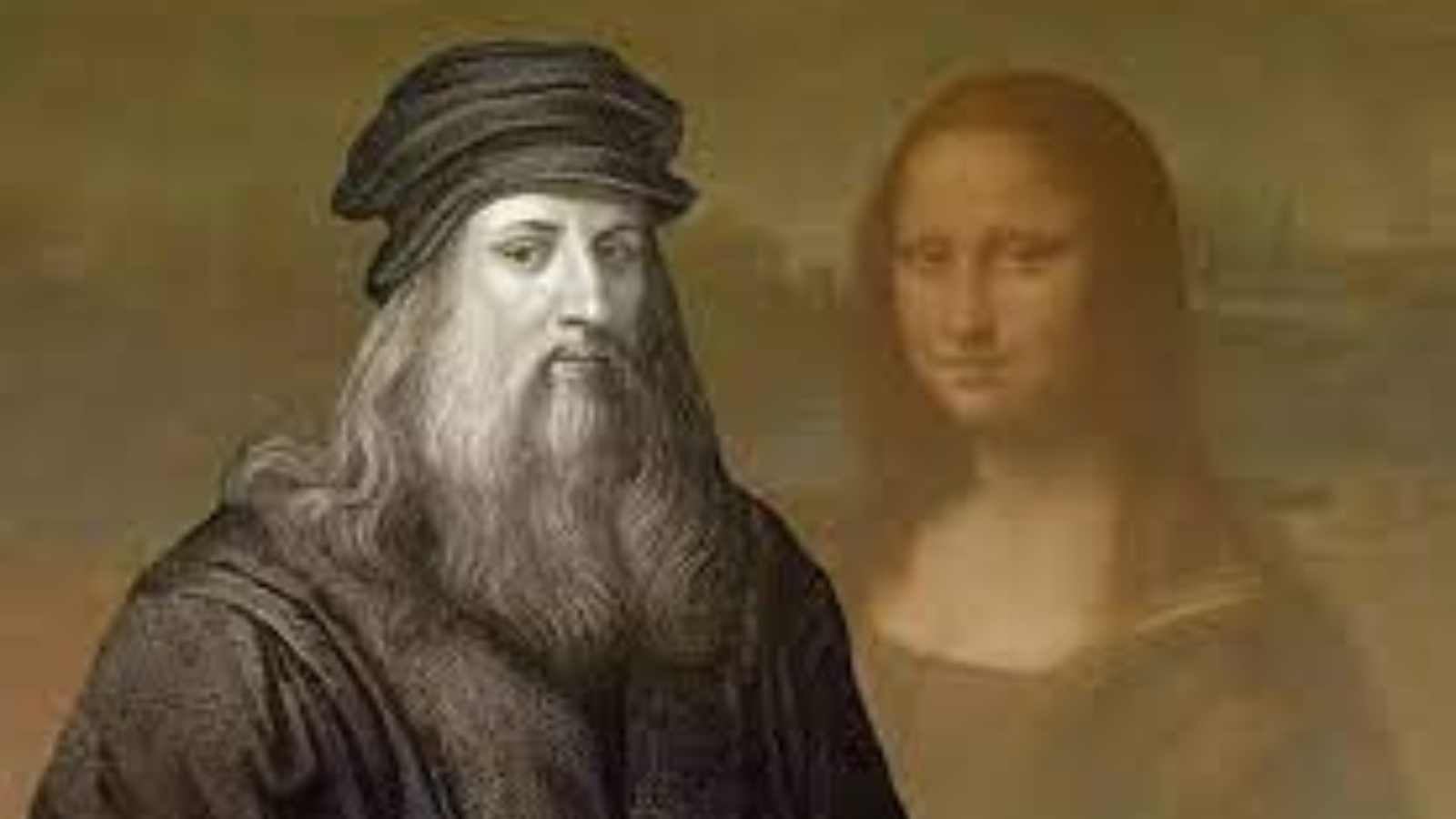
“I have offended God and mankind because my work did not reach the quality it should have.”
The Renaissance genius who gave us the Mona Lisa and The Last Supper was known for his relentless pursuit of perfection. As he lay dying in 1519, da Vinci’s last words were filled with regret over the quality of his work. Despite his brilliance, he still believed his creations weren’t up to his own lofty standards, highlighting the pressure even the greatest minds face in their final moments.
Jane Austen
“I want nothing but death.”
Jane Austen, beloved for her timeless novels such as Pride and Prejudice, died at age 41. Her last words, “I want nothing but death,” were a sad reflection of her suffering from a mysterious illness. Her statement speaks to her acceptance of death after a long period of pain, making it a somber farewell to a brilliant literary career that was tragically cut short.
Marie Antoinette
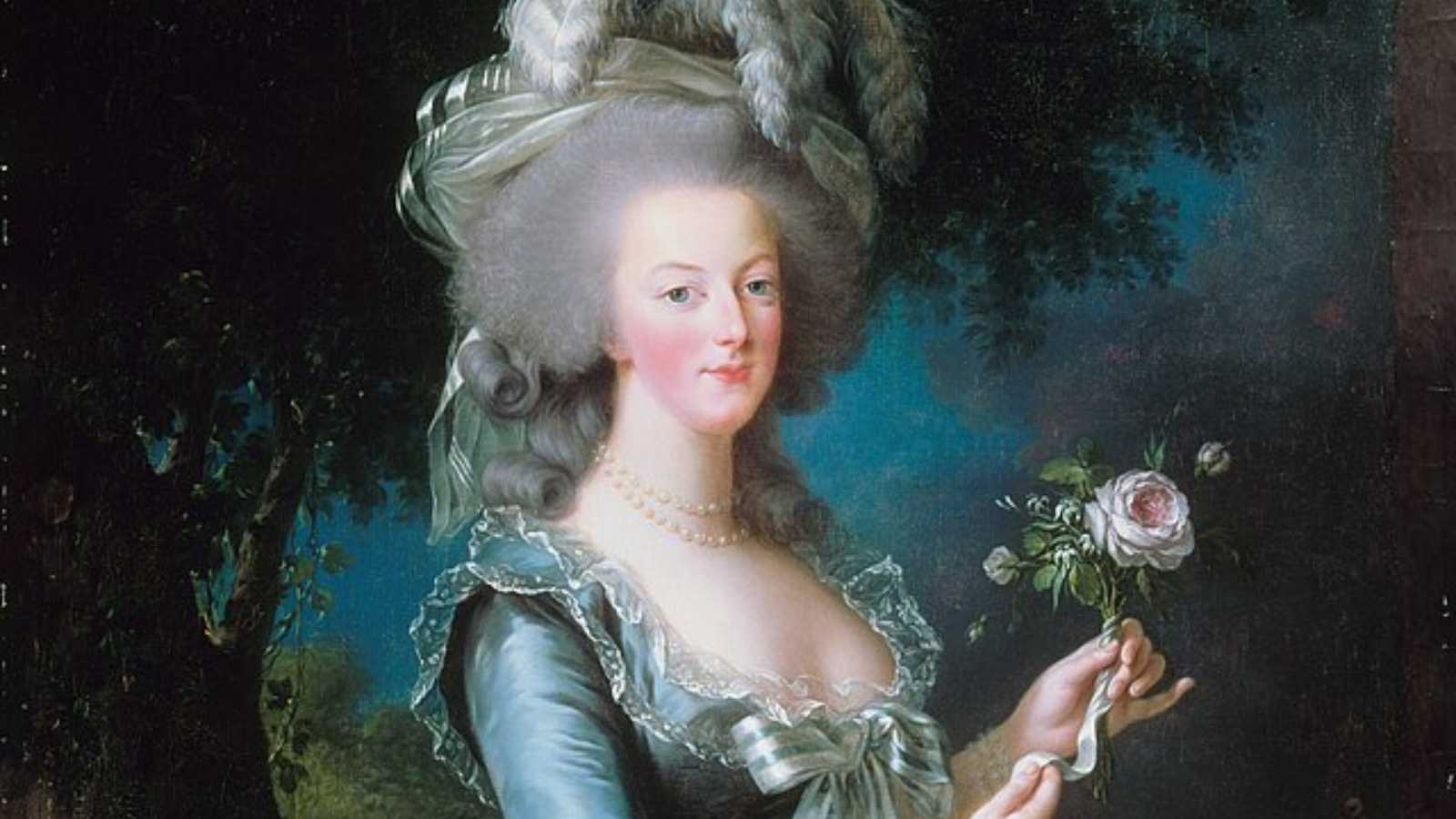
“Pardon me, sir. I did not do it on purpose.”
In a moment of composure amid chaos, Queen Marie Antoinette, while mounting the guillotine, accidentally stepped on her executioner’s foot. Her apology, “Pardon me, sir. I did not do it on purpose,” was a final act of grace under pressure. Instead of pleading for mercy, she maintained her dignity, leaving behind a legacy of poise even in the face of death.
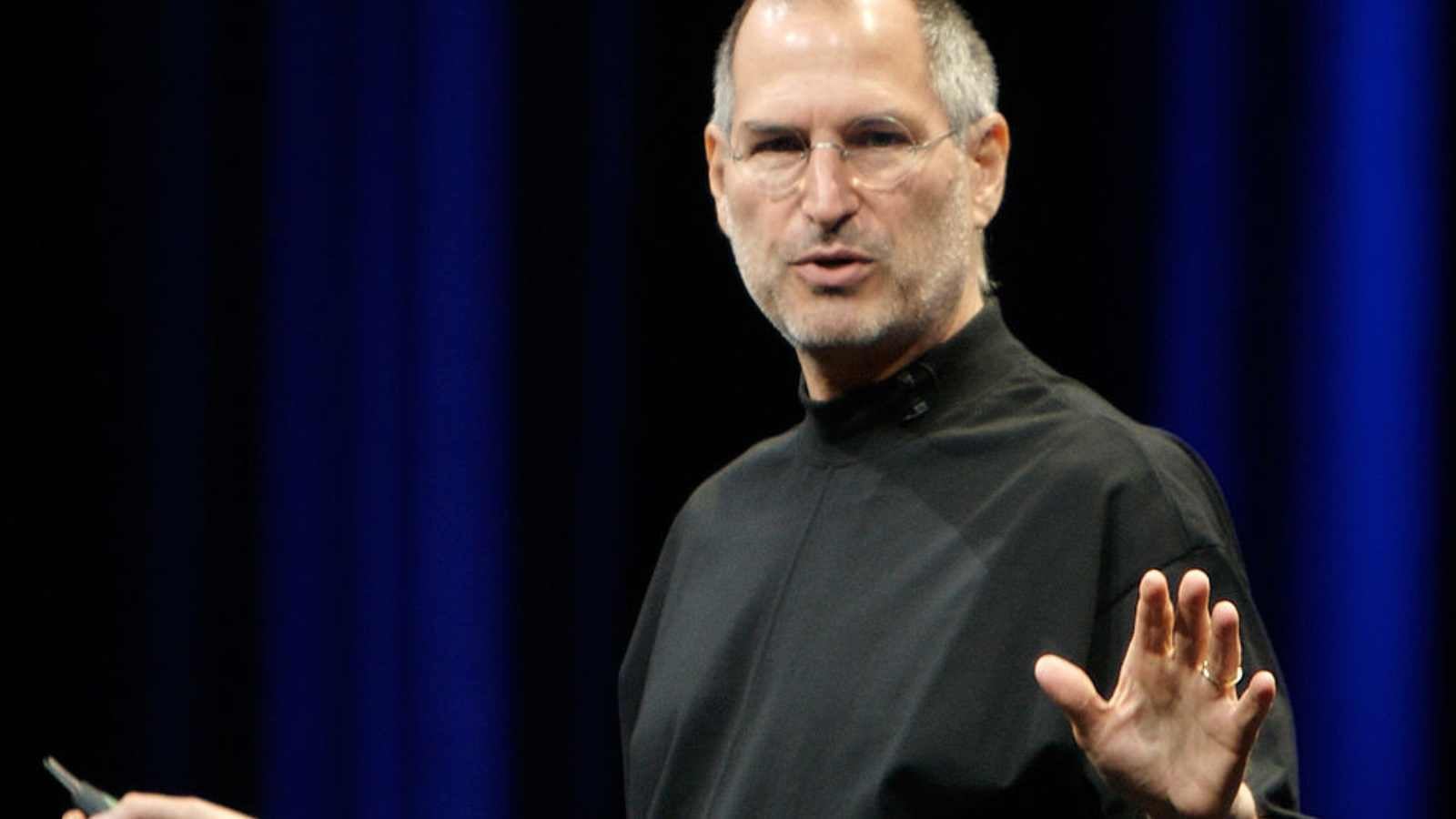
Steve Jobs
Steve Jobs, the visionary co-founder of Apple, spoke these words shortly before passing away in 2011. The repeated “Oh wow” has sparked endless interpretations, with some speculating he was seeing something awe-inspiring, whether in a flash of memory or in his final moments. Whatever the cause, his last words remain mysterious, offering us a glimpse into his profound yet enigmatic mind.
Winston Churchill
“I’m bored with it all.”
Winston Churchill, known for his leadership during World War II, offered rare vulnerability in his last words. “I’m bored with it all,” he reportedly said to his son-in-law before passing away in 1965. This candid remark revealed a side of Churchill that was rarely seen: the exhaustion and weariness after a lifetime of public service and political battles.
Elvis Presley
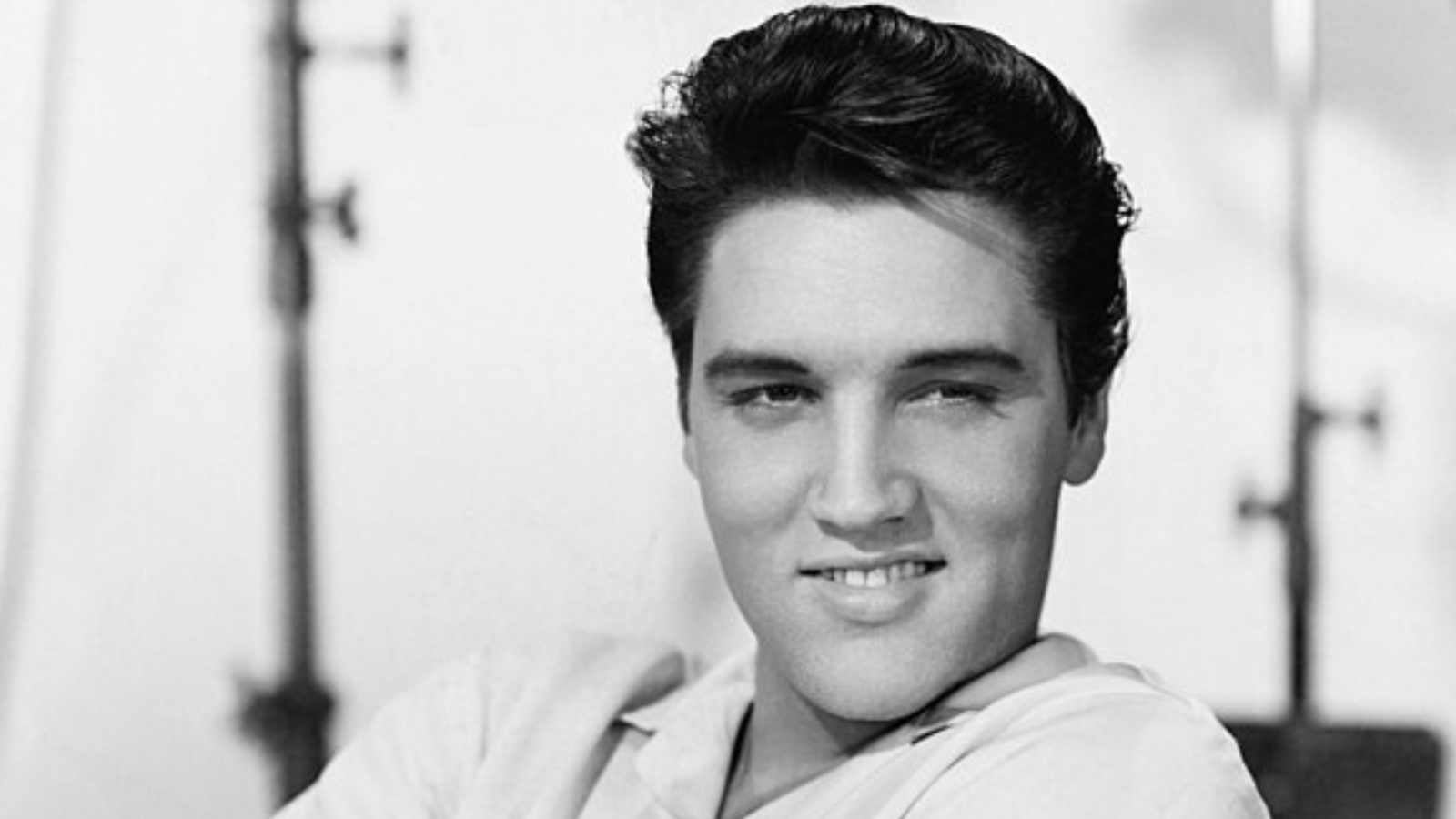
“I’m going to the bathroom to read.”
Elvis Presley’s final words, spoken just before his heart attack in 1977, were unexpectedly mundane. “I’m going to the bathroom to read” is a reminder that even the most famous figures are not immune to the simple, everyday moments that punctuate life. His words remind us that death, in its most unexpected forms, comes for everyone, no matter their fame.
Oscar Wilde
“Either that wallpaper goes, or I do.”
Famous for his wit, Oscar Wilde’s final words encapsulated his sharp humor even in his dying moments. Reportedly, while bedridden in a Paris hotel, Wilde commented on the hideous wallpaper in his room, turning a morbid moment into a sardonic joke. His wit lived on in his final words, forever marking his departure with a touch of irreverence.
Karl Marx
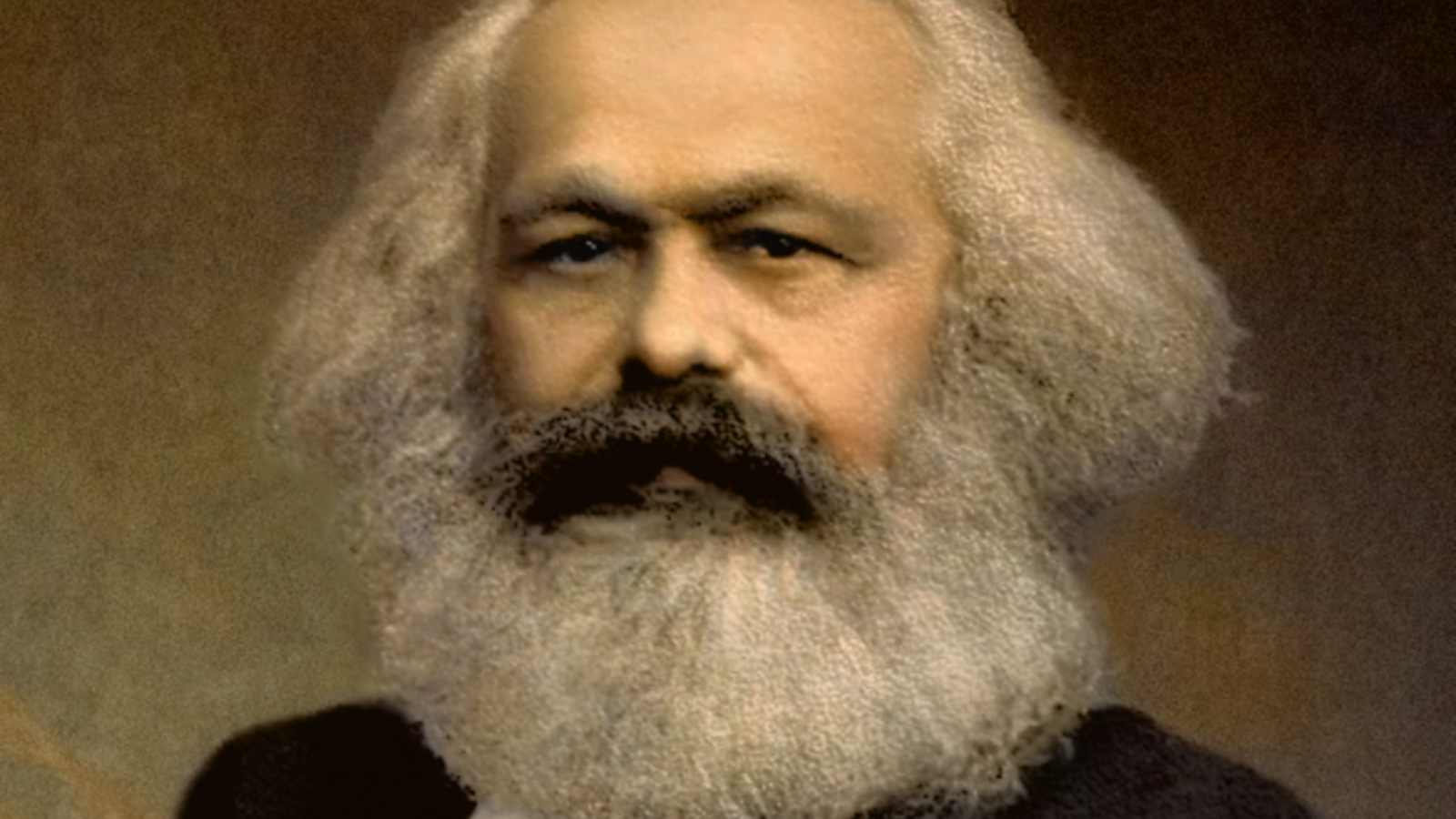
“Last words are for fools who haven’t said enough.”
Karl Marx’s final words reveal his pragmatic, no-nonsense attitude toward death and life. Known for his revolutionary theories that transformed political and economic landscapes, Marx’s words dismiss sentimentality, emphasizing the importance of speaking your truth while you’re alive. His refusal to say something profound at the end was perhaps his ultimate statement, no final dramatic flourish for him.
Conclusion
These famous last words encapsulate the essence of their speakers, offering a snapshot of their thoughts, humor, regrets, and values as they faced death. Each statement provides insight into how these iconic figures viewed the world, and their parting remarks often serve as a poignant reminder of the impact they left behind. How will you be remembered in your final moments?